Same Day Alternator Repair Charlotte NC: Fast On-Site Service
The alternator is easy to forget until it stops working, and then everything electrical in the car starts to fade at once. Dim headlights, a battery light on the dash and a car that stalls at a stoplight are all common ways it announces itself. Because the symptoms overlap so much with a weak battery, many Charlotte drivers replace the wrong part first. This guide explains what the alternator does, the early warning signs, how to tell it apart from a battery problem, what causes alternators to fail, and how a replacement works when the mechanic comes to your driveway, office lot or the spot where the car stopped.
Mobile Auto Repair Pros comes to you anywhere in the Charlotte area. Call 704-842-9774 and we will get a mechanic headed your way.
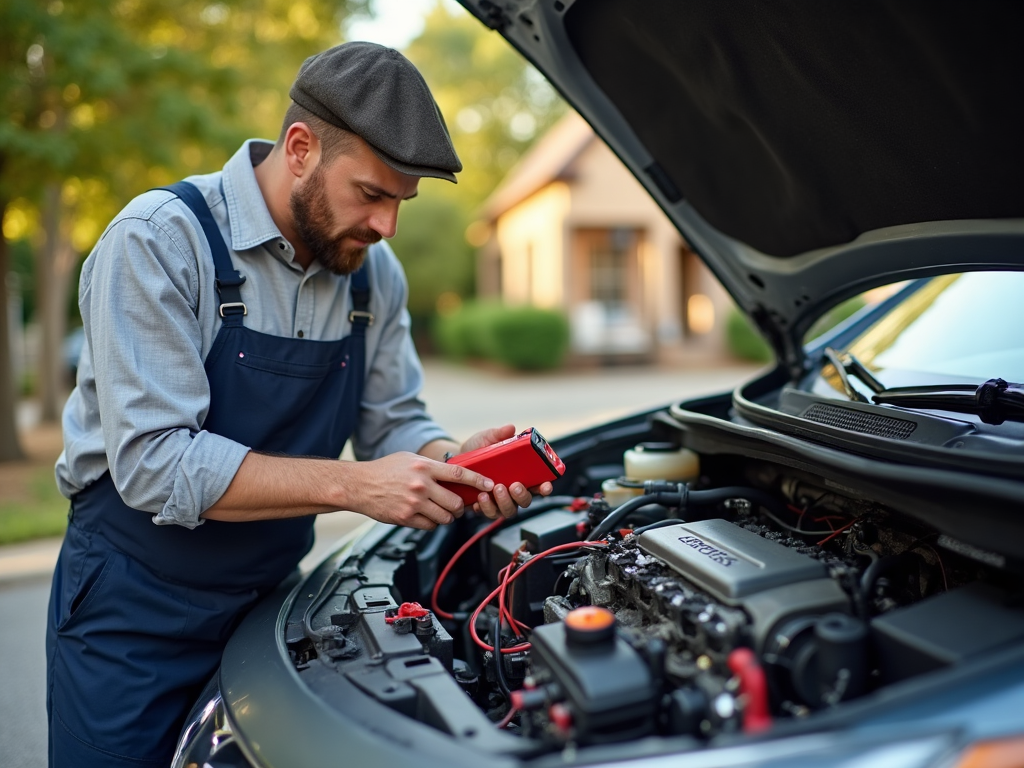
What the Alternator Does
Your battery has one big job: starting the engine. Once the engine is running, the alternator takes over. Driven by the serpentine belt, it spins a rotor inside a set of copper windings to produce electricity, which powers the headlights, ignition, fuel pump, computers, radio, climate control fan and everything else while you drive. It also recharges the battery to replace the energy used during the start. A built-in voltage regulator keeps the output steady, usually somewhere around 13.5 to 14.7 volts with the engine running. When the alternator weakens, the car starts drawing on the battery to make up the difference, and the battery drains a little more on every trip until there is not enough left to start the engine or keep it running.
Early Warning Signs of a Failing Alternator
The battery warning light on the dash is the most direct signal. Despite its shape, it usually means the charging system, not the battery itself, has a problem. Other signs include headlights and dash lights that dim at idle and brighten when you rev the engine, interior lights that flicker, power windows that move slowly, a radio that cuts out, or warning lights that come and go for no clear reason. You might hear a whining or growling noise from the front of the engine that changes with engine speed, which can point to worn bearings inside the alternator. A burning rubber or hot electrical smell can mean the belt is slipping on a seized pulley or the alternator is overheating. Any of these deserve attention before the car stops altogether.
Alternator or Battery: How to Tell
Because both parts affect starting, the symptoms can look alike. A few patterns help. If the car is slow to crank or will not start in the morning but runs normally once it gets going, the battery is the more likely cause. If the car starts after a jump but stalls within minutes, or the lights dim and the battery light comes on while you drive, the alternator is the more likely suspect. A battery that keeps going flat even after being replaced is another strong clue that the alternator is not recharging it. The real answer comes from testing. With a meter, the mechanic checks the battery voltage at rest, then measures the charging output with the engine running and with lights, fan and rear defroster switched on to load the system.
What Causes Alternators to Fail
Alternators wear out like any part with bearings and brushes, and many last somewhere around 80,000 to 150,000 miles. Heat speeds that wear. The alternator sits in a hot engine bay, and long summer stretches of traffic on I-77 and I-485 keep it working hard with little cooling airflow. Heavy electrical loads, such as aftermarket sound systems, extra lighting or a weak battery that keeps demanding a charge, push it harder still. Oil or coolant leaks dripping onto the alternator can damage the windings and brushes. A worn or loose serpentine belt can slip and overheat the pulley. Corroded battery cables and loose ground connections also make the alternator work harder, which is why the mechanic checks them during the same visit.
Why the Serpentine Belt Matters
The alternator can only charge if the serpentine belt is turning it properly. That same belt usually drives the water pump, power steering pump and A/C compressor too. A belt that is glazed, cracked or stretched can slip, causing a squeal on cold starts or when the A/C kicks on, and reduced charging output. A weak tensioner can let the belt flap and wear quickly. If the belt breaks entirely, the alternator stops charging and, on many engines, the water pump stops too, which can lead to overheating within minutes. When the mechanic replaces an alternator, the belt and tensioner get checked, and replacing a worn belt at the same time often saves a second visit.
What to Do If the Battery Light Comes On While Driving
If the battery light comes on and stays on, the car is running on battery power alone, and you may have anywhere from a few minutes to half an hour before it stalls, depending on the battery and how much electrical load you are using. Turn off the radio, climate control fan, seat heaters and any chargers to stretch the remaining power. Avoid switching the engine off until you reach a safe place, since it may not restart. If the temperature gauge climbs at the same time, pull over safely and shut the engine off, because the belt that drives the water pump may have failed. On a busy road like Independence Boulevard or I-85, aim for the next exit or a parking lot rather than the shoulder whenever you can.
How an Alternator Replacement Works Where You Park
The mechanic starts by testing the battery, charging output, belt and cables to confirm the alternator is the real problem. If it is, the battery is disconnected for safety, the belt is released from the tensioner, and the electrical connections and mounting bolts are removed. On some vehicles the alternator sits near the top of the engine and comes out in well under an hour. On others it is tucked lower down and takes longer. The new alternator is matched to your vehicle’s output rating and mounting, installed, and connected. The belt goes back on, or a new one is fitted if the old one is worn. With the engine running, the mechanic measures the charging voltage under load and confirms the battery light is off before leaving. If the battery was drained deeply, it gets tested too, since a battery run flat repeatedly may need replacing as well.
Protecting Your New Alternator
A few habits help a new alternator last. Keep the battery healthy and the terminals clean, since a weak battery makes the alternator work harder every day. Have leaks fixed promptly so oil and coolant do not drip onto it. Replace the serpentine belt and tensioner at the interval your manufacturer recommends, or sooner if you hear squealing. If you add electrical accessories, ask whether your charging system can handle the extra load. And if the battery light ever flickers on, have it checked early, while it is still a simple diagnosis rather than a roadside breakdown.
Where We Can Repair Your Alternator
Alternator work needs room to open the hood and reach the front of the engine, which most driveways, apartment lots and office garages around Charlotte provide. We regularly work in Ballantyne, University City, South End, Plaza Midwood, Steele Creek, Huntersville and Matthews. If the car has stalled somewhere safe, such as a parking lot, we can often come straight to it. Tell us where the car is, what happened, whether the battery light came on and the year, make and model, and the mechanic will arrive with the testing equipment and the most likely parts for your vehicle.
If you want to see what our electrical repair service covers, from alternators and starters to wiring and switches, see Electrical Repair Charlotte, or browse every job we handle on Mobile Mechanic Services in Charlotte, NC.
FAQ
How long does an alternator usually last?
Many alternators last around 80,000 to 150,000 miles. Heat, heavy electrical loads, leaks and a weak battery can shorten that.
Can a bad alternator ruin a new battery?
It can. An alternator that undercharges leaves the battery partly drained, and one that overcharges can overheat it. Both shorten battery life, so testing the charging system matters after any battery change.
How long does an alternator replacement take?
On many cars it takes about one to two hours. Engines where the alternator sits low or behind other parts can take longer.
Is it safe to drive with the battery light on?
Only for a short distance. The car is running on battery power, and it may stall without warning. Turn off accessories and head somewhere safe.
Why does my car whine when I accelerate?
A whine that rises with engine speed can come from worn alternator bearings, though a power steering pump or belt tensioner can sound similar. The mechanic checks each one to find the source.
Do you replace the belt at the same time?
If the belt is cracked, glazed or worn, replacing it with the alternator is usually recommended. The mechanic checks it and tells you before doing any extra work.