Trusted Vehicle Safety Inspection Charlotte NC: Know What Needs Attention
Every year, most Charlotte drivers have to get their car inspected before renewing the registration, and a failed inspection means a repair, a second trip and sometimes a late tag. The good news is that most failures come from small, predictable problems that are easy to catch ahead of time. A burned-out bulb, worn wipers or a lit check engine light can all send you home with a rejection. This guide explains what the North Carolina inspection covers, how the emissions portion works in Mecklenburg County, the most common reasons cars fail, and how a pre-inspection check works when a mechanic comes to your driveway or office lot so you can head to the station with confidence.
Mobile Auto Repair Pros comes to you anywhere in the Charlotte area. Call 704-842-9774 and we will get a mechanic headed your way.
How Inspections Work in North Carolina
North Carolina ties vehicle inspection to registration renewal. For most vehicles, you need a passing inspection within the 90 days before your registration renewal date, and the result is recorded electronically so the state can process the renewal. The inspection is done at licensed inspection stations, which are often auto repair shops, quick lubes and some dealerships. The safety portion applies statewide, while counties with air quality concerns, including Mecklenburg and several surrounding counties, add an emissions check for most gasoline cars and light trucks. Brand-new vehicles and some older models have exemptions, so check your renewal notice to see what your car needs. Planning ahead gives you time to fix anything that comes up before the deadline.
What the Safety Inspection Checks
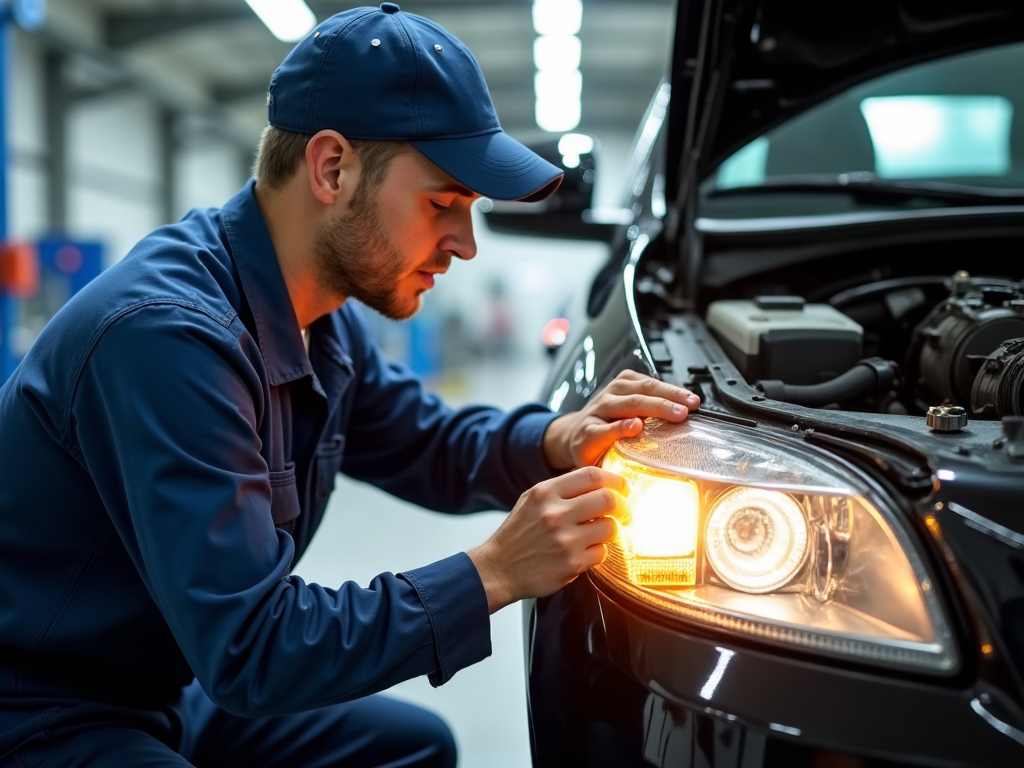
The safety portion looks at the equipment that keeps you and other drivers safe. Inspectors check the headlights, including high and low beams, the brake lights, turn signals, tail lights and license plate light. They test the horn, look at the steering for excessive play, check the brakes and parking brake, and inspect the tires for tread depth and damage. Windshield wipers must work and clear the glass, and the mirrors must be present and usable. Window tint is measured to make sure it meets state limits. Exhaust leaks and missing exhaust parts can also cause problems. None of this is complicated, but even one burned-out bulb is enough for a rejection.
How the Emissions Check Works
In Mecklenburg County, the emissions portion for most gasoline vehicles from 1996 and newer is an onboard diagnostics test. The inspector plugs into the car’s diagnostic port and reads the computer rather than measuring tailpipe gases. The test looks at three things: whether the check engine light works and is off, whether any emissions-related trouble codes are stored, and whether the readiness monitors have finished their self-tests. A lit check engine light is an automatic fail. Readiness monitors reset when the battery is disconnected or codes are cleared, so a car that had recent repairs or a new battery may not be ready even if it runs perfectly. Usually a few days of normal driving, including some highway miles, lets them complete.
The Most Common Reasons Cars Fail
A small group of issues causes most failures. Burned-out bulbs top the list, especially license plate lights, third brake lights and rear turn signals that drivers rarely see. Worn wiper blades that streak or skip are another frequent cause. The check engine light, often from a loose gas cap, a worn oxygen sensor, an evaporative leak or a misfire, accounts for many emissions rejections. Tires worn below the minimum tread depth, a horn that does not work, a parking brake that will not hold and window tint that is too dark round out the usual list. Brakes that are worn down to the wear sensors or pulling badly can also cause problems. Almost all of these are quick and inexpensive to fix ahead of time.
Window Tint, Mirrors and Other Easy-to-Miss Items
Some inspection items catch drivers off guard. Window tint is one. North Carolina sets a limit on how dark tint can be on the side and rear windows, and inspectors measure it with a meter, so a used car bought with aftermarket tint can fail even if everything else is perfect. A cracked windshield is generally not a problem unless it blocks the driver’s view, but wipers that leave streaks across that view are. Side mirrors need to be present and adjustable, and the rearview mirror has to be mounted securely. The parking brake has to hold the car on its own. Seat belts should latch and release properly. Checking these small things takes only a few minutes during a pre-inspection visit, and it is far easier than learning about them at the station counter.
Why a Pre-Inspection Check Saves Time
Going to the station with a car you have not checked is a gamble. If it fails, you need the repair, and then another visit for a re-inspection, often during a workday. A pre-inspection check flips that around. The mechanic goes through the same items the inspector will look at, scans the computer for codes and readiness, and fixes anything that would cause a rejection before you go. That turns the inspection into a quick formality. It also gives you a chance to catch other safety issues, such as worn brakes or a tire with a bulge, which are worth fixing whether or not the inspection would flag them.
What a Pre-Inspection Check Includes
The mechanic walks around the car checking every exterior light, including high beams, brake lights with the pedal pressed, hazard lights, reverse lights and the license plate light. The horn, wipers and washer spray get tested. Tires are measured for tread depth and inspected for damage, and the brakes and parking brake are checked. The steering is checked for looseness. A scan tool connects to the diagnostic port to look for stored and pending codes and to confirm the readiness monitors are complete. Window tint can be measured with a meter. Small fixes like bulbs, wiper blades, a gas cap or a fuse can often be handled on the spot, and anything larger gets explained with a price before any work.
If Your Check Engine Light Is On
Clearing the code with a scan tool right before the inspection does not work, because it also resets the readiness monitors and the car will be rejected as not ready. The right approach is to find and fix the cause. That might be as simple as tightening or replacing the gas cap, or it might mean replacing an oxygen sensor, repairing a vacuum leak or replacing an ignition coil. After the repair, the car needs some normal driving for the monitors to complete before the inspection. If your registration is due soon, book the diagnostic early so there is time for both the repair and the drive cycle.
Keeping Your Car Ready Between Inspections
A few simple habits keep surprises away. Walk around the car once a month with the lights on, or ask someone to press the brake pedal while you check the brake lights. Replace wiper blades every six months or so, since Carolina sun and heat wear them quickly. Check tire tread and pressure monthly. Make sure the gas cap clicks when you tighten it after filling up. And if the check engine light comes on, have it checked soon rather than waiting for inspection season. A car kept in good shape all year usually passes the inspection without any extra work.
Where We Can Do a Pre-Inspection Check
A pre-inspection check needs only enough room to walk around the car and open the hood, so it fits easily in a driveway, apartment lot or office garage anywhere in the Charlotte area. We regularly do these checks in Ballantyne, South End, NoDa, University City, Steele Creek, Matthews and Mint Hill. Tell us when your registration is due, whether the check engine light is on, and the year, make and model, and the mechanic will bring bulbs, wiper blades and the scan tool so most small fixes can be done during the same visit.
If you want the full details of what our inspection service covers, from lights and brakes to computer checks, see Vehicle Safety Inspection Charlotte, or browse every job we handle on Mobile Mechanic Services in Charlotte, NC.
FAQ
Does your visit replace the official North Carolina inspection?
No. The official inspection is done at a licensed inspection station. Our visit checks the car beforehand and fixes the things that would cause it to fail.
When should I get my car inspected?
For most vehicles, within the 90 days before your registration renewal date. Check your renewal notice for the exact requirements for your car.
Will a check engine light fail the inspection?
Yes. In Mecklenburg County a lit check engine light fails the emissions portion. The fault needs to be repaired and the readiness monitors completed first.
Why did my car fail as not ready?
The readiness monitors had not finished their self-tests, usually after a battery change, a repair or cleared codes. A few days of normal driving usually fixes it.
Can a burned-out license plate light fail the inspection?
Yes. Every required exterior light must work, including the license plate light, which many drivers never notice is out.
How long does a pre-inspection check take?
Most take about 30 to 45 minutes, plus a little extra time if bulbs, wipers or other small parts need replacing.