Fast Starter Replacement Charlotte NC: Back on the Road Quick
You turn the key or press the start button, and instead of the engine coming to life you hear a single click, a grinding noise or nothing at all. A failing starter can strand you in a driveway in Ballantyne just as easily as in a parking deck uptown, and the symptoms often get confused with a flat battery. Knowing the difference can save time, money and a tow. This guide explains how the starter works, what different no-start sounds are telling you, how to tell a starter problem from a battery or ignition issue, what wears starters out, and how a replacement works when the mechanic comes to the car wherever it is parked.
Mobile Auto Repair Pros comes to you anywhere in the Charlotte area. Call 704-842-9774 and we will get a mechanic headed your way.
How the Starter Gets Your Engine Running
An engine cannot start itself. The starter is a small but powerful electric motor bolted to the engine near the transmission. When you turn the key or press the start button, a small current flows through the ignition switch and, on many cars, a starter relay, to a solenoid mounted on the starter. The solenoid does two jobs: it pushes a small gear called the pinion forward to mesh with the teeth on the engine’s flywheel or flexplate, and it closes heavy contacts that send a large current from the battery to the starter motor. The motor spins the flywheel, turning the engine over until it fires and runs on its own. When you release the key, the pinion pulls back so the starter is not spun by the running engine.
What Different No-Start Sounds Mean
The sound the car makes is one of the best clues. A single loud click with no cranking often points to a starter solenoid or motor that has failed, or to a poor connection that cannot carry enough current. Rapid clicking, like a ticking clock, usually means the battery is too weak to keep the solenoid engaged. A grinding noise during cranking suggests the starter gear is not meshing properly with the flywheel, which can damage the flywheel teeth if ignored. A whirring or spinning sound without the engine turning means the starter motor is running but the gear is not engaging. Complete silence with the dash lights on can mean a faulty ignition switch, a bad relay, a neutral safety switch problem or a broken wire. If the engine cranks normally but will not start, the starter is doing its job and the problem lies with fuel, spark or the security system.
Starter or Battery: How to Tell
Because both parts are involved every time you start the car, it pays to rule out the battery first. If the headlights and dash lights are bright and stay bright when you try to start, the battery likely has enough charge, which points toward the starter or its wiring. If the lights dim heavily or go out when you turn the key, the battery or its connections are the more likely cause. A jump start helps too: if a jump gets the engine cranking strongly, the battery was the problem; if the same single click happens with a good jump, the starter is the more likely culprit. Corroded or loose battery cables can mimic both, which is why testing the cables and connections is part of any starter diagnosis.
Common Causes of Starter Failure
Starters wear out gradually. The brushes inside the motor wear down, the solenoid contacts pit and burn from carrying heavy current, and the bearings wear. Many starters last well over 100,000 miles, but frequent short trips mean more starts, and more starts mean more wear. Stop-and-go errands around Charlotte, with the engine started a dozen times a day, add up quickly. Engines with automatic start-stop systems use heavy-duty starters for that reason. Heat from a nearby exhaust manifold can bake the solenoid. Oil leaks dripping onto the starter can damage it, and a loose or corroded ground strap can make it work harder than it should. Cranking the engine for long periods when it will not start also overheats the starter, so it is best to crank in short bursts with pauses between.
Warning Signs Before a Starter Fails Completely
Starters often give hints before they quit. You might notice slower cranking even though the battery tests fine, an occasional click with no start that works on the second try, a grinding sound on some starts, or a starter that keeps whirring briefly after the engine starts. Some drivers notice the problem only when the engine is hot, after a long drive on I-85 or a summer afternoon in a parking lot, because heat increases electrical resistance in a worn starter. If you notice any of these signs, have the starting system tested before it leaves you stuck somewhere inconvenient. Tapping the starter with a tool sometimes gets a worn one to work one more time, but it is a sign the part is near the end of its life.
What to Do If Your Car Will Not Start
Start with the simple checks. Make sure the shifter is fully in park, or in neutral, and try moving it back and forth, since a worn neutral safety switch can block starting. Press the brake firmly on push-button cars, and check that your key fob battery is not weak. Look at the dash lights: if they are dim or flicker, the battery is the likely issue. Avoid cranking the starter over and over, which can overheat it and drain the battery further. If the car is in a safe spot, the mechanic can come to it directly. If it stopped somewhere unsafe, such as a busy lane on Independence Boulevard, get yourself safe first and call for help.
How a Starter Replacement Works Where You Park
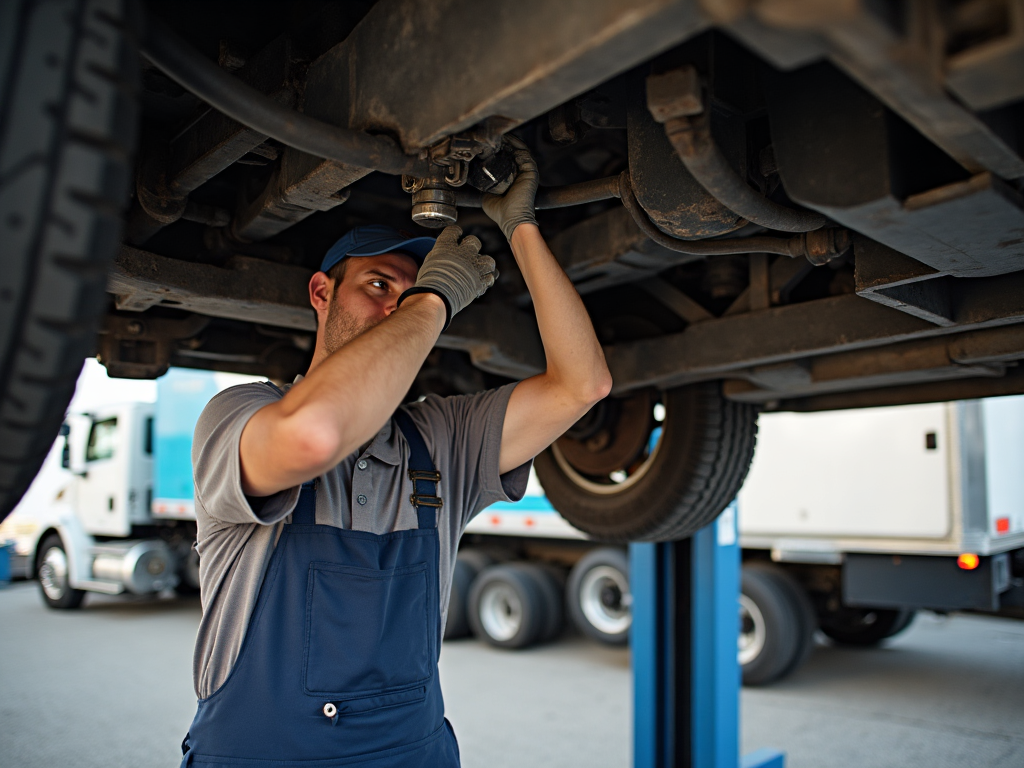
The mechanic starts by testing the battery and the starting circuit: battery voltage, voltage at the starter during cranking, the relay, the ignition signal and the ground connections. That confirms whether the starter itself has failed or something upstream is to blame. If the starter is the problem, the battery is disconnected for safety, and the starter is unbolted and its wiring removed. Depending on the vehicle, it may be reachable from the top of the engine or from underneath, which can mean removing a heat shield or intake part for access. The new starter is matched to your engine and transmission, installed with the correct bolts and connections, and the wiring is checked for wear. The mechanic then tests several starts, including a warm restart, to confirm everything works properly.
Keeping the Starting System Healthy
A healthy battery is the starter’s best friend, because a weak battery makes the starter work harder and draw more current. Have the battery tested once a year after its third birthday, keep the terminals clean, and make sure the main cables and ground strap are tight. Fix oil leaks promptly so oil does not drip onto the starter. If the engine is slow to start because of a fuel or ignition problem, have that fixed rather than cranking it for long periods, which overheats the starter. Pay attention to new noises when starting, since a grinding sound caught early may save the flywheel.
Where We Can Replace Your Starter
Starter work needs enough room to reach the starter, which on many cars means working from underneath, so a flat, firm surface matters. Most driveways, apartment lots and office garages around Charlotte work well. We regularly handle starter jobs in Ballantyne, South End, NoDa, University City, Steele Creek, Matthews and Huntersville. Let us know where the car is, what sound it makes when you try to start it, and the year, make, model and engine, and the mechanic will arrive with the testing equipment and the right starter for your vehicle.
If you want to see what our electrical service covers, from starters and batteries to wiring and fuses, see Electrical Charlotte, or browse every job we handle on Mobile Mechanic Services in Charlotte, NC.
FAQ
How long does a starter usually last?
Many starters last well over 100,000 miles. Frequent short trips, heat and oil leaks can shorten that.
Can a bad starter drain the battery?
A starter that sticks or draws too much current can drain the battery, and repeated failed start attempts will drain it as well. Testing shows which part is at fault.
Why does my car click once and not start?
A single click often means the starter solenoid or motor has failed, or a connection cannot carry enough current. A weak battery usually causes rapid clicking instead.
How long does a starter replacement take?
On many cars it takes about one to two hours. Vehicles where the starter sits behind other parts can take longer.
Is it the starter if the engine cranks but will not start?
No. If the engine turns over normally, the starter is working. The problem is more likely with fuel delivery, ignition or the security system.
Can you replace a starter in an apartment parking lot?
Usually yes, as long as the spot is flat and firm and the property allows vehicle repairs. Some cars need access from underneath, which most lots allow.