Honest Engine Diagnostic Charlotte NC: No Guesswork
The check engine light has a way of coming on at the worst time, and it rarely tells you much on its own. It might be something as small as a loose gas cap or as serious as a misfire that can damage the catalytic converter. Plenty of Charlotte drivers have paid for parts they did not need because someone read a code and guessed. This guide explains what the light actually means, the difference between a steady and a flashing light, why a trouble code is only the first clue, the most common causes we find, and how an honest engine diagnostic works when the mechanic comes to your home, office or the parking lot where the car stopped.
Mobile Auto Repair Pros comes to you anywhere in the Charlotte area. Call 704-842-9774 and we will get a mechanic headed your way.
What the Check Engine Light Actually Means
Every car and light truck sold in the United States since 1996 has an onboard computer system known as OBD-II. It watches dozens of sensors that track how the engine burns fuel, how the exhaust behaves, how the ignition fires and how the emissions equipment is working. When a reading falls outside the range the manufacturer expects, the computer stores a trouble code and turns on the check engine light. The light is really a message that says something has gone out of range and needs a closer look. It does not tell you what part has failed, how urgent the problem is or what the repair will cost. That is the job of a diagnostic, which uses the stored code as the first clue and then tests the system to find the actual cause.
Steady Light or Flashing Light: Why It Matters
A steady check engine light means the computer has found a fault that should be checked soon, but in most cases the car is safe to drive carefully for a short time. A flashing light is different. It usually means the engine is misfiring badly enough to send unburned fuel into the exhaust, where it can overheat and damage the catalytic converter within a few miles. If the light is flashing, especially with shaking, a loss of power or a strong smell of fuel, ease off the gas, avoid hard acceleration and get off the highway when it is safe. On a busy road like I-485 or Billy Graham Parkway, that might mean taking the next exit and parking rather than pushing on. Driving far on a flashing light can turn a coil or spark plug repair into a much more expensive one.
Why a Code Is Not a Diagnosis
Parts stores will read your codes for free, and that can be a helpful starting point, but a code only names the system that reported a problem, not the part that caused it. Take a common one, P0171, which means the engine is running lean. That can come from a vacuum leak, a dirty mass airflow sensor, a weak fuel pump, a clogged fuel filter, a leaking intake gasket or a faulty oxygen sensor. Replacing the oxygen sensor because the code mentions fuel trim may not fix anything. An oxygen sensor code is another good example: the sensor is often simply reporting a real problem elsewhere, such as an exhaust leak or a misfire. Real diagnosis means confirming the cause with tests before spending money on parts.
Common Causes We Find in Charlotte
Some faults show up again and again. Loose or worn gas caps set evaporative system codes and are one of the cheapest fixes there is. Worn spark plugs and failing ignition coils cause misfires, especially on engines with high mileage. Vacuum hoses crack with age and heat, letting in unmetered air and causing lean codes and a rough idle. Mass airflow sensors get dirty, particularly when an air filter is overdue, and the spring pollen season in the Carolinas clogs filters fast. Oxygen sensors and catalytic converters wear out over time. Thermostats that stick open can set codes and leave the engine running cool. Stop-and-go driving on Independence Boulevard and South Boulevard is hard on all of these parts, so they often wear sooner than the mileage alone would suggest.
How an Honest Engine Diagnostic Works
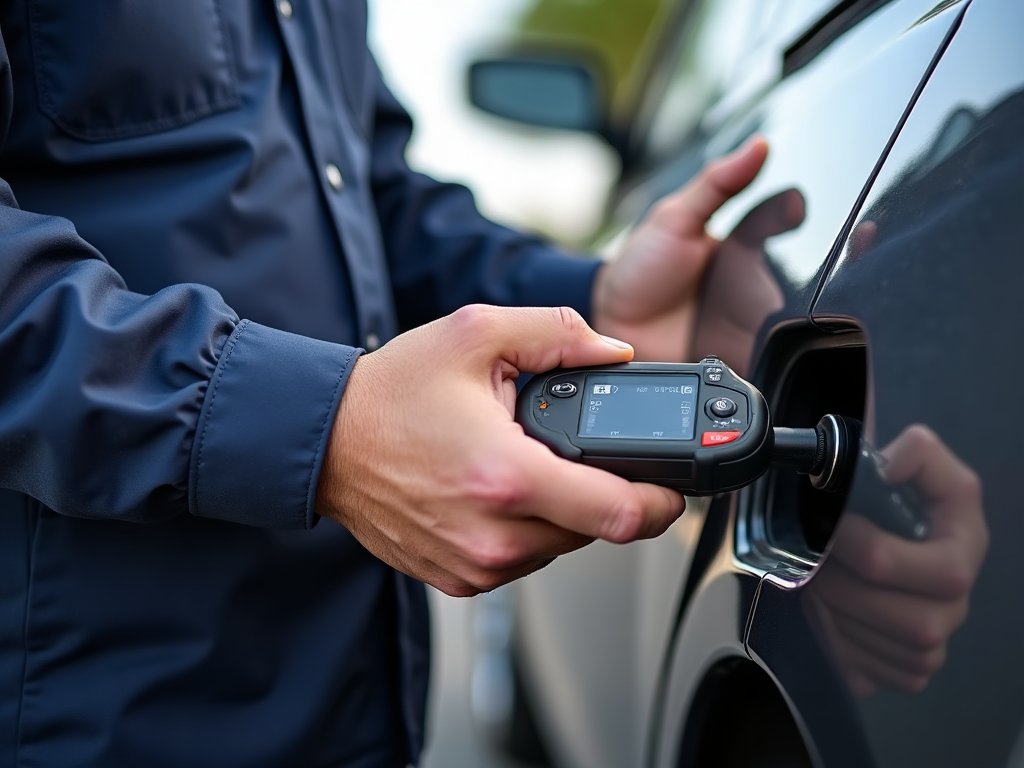
The mechanic starts by asking what you have noticed: when the light came on, whether the car runs differently, and any sounds or smells. Then a professional scan tool connects to the diagnostic port to read stored and pending codes, freeze-frame data showing the conditions when the fault happened, and readiness monitors. From there the testing depends on the code. It may mean watching live sensor data while the engine runs, checking fuel pressure, testing ignition coils, smoke testing for vacuum leaks, measuring voltage at a sensor, or inspecting wiring and connectors for damage. The goal is to prove the cause before recommending a repair. You get a plain explanation of what failed, why it failed, what it will cost to fix, and whether it needs attention today or can wait.
Symptoms Worth Mentioning When You Call
Small details help narrow things down quickly. Tell us if the engine idles rough, hesitates when you press the gas, stalls at stoplights, or feels weak climbing a hill. Mention any change in fuel economy, a smell of gas or rotten eggs, smoke from the tailpipe, or new noises such as ticking, knocking or hissing. Let us know if the light came on right after filling up, after a battery change or after recent repair work, since those clues often point straight to the cause. If the light comes and goes, note when it happens: on cold mornings, in hot traffic, or only at highway speed. That information saves testing time and helps the mechanic arrive with the right equipment.
Inspections, Emissions and the Check Engine Light
In Mecklenburg County most gasoline cars need an emissions check along with the yearly safety inspection before the registration can be renewed, and the test reads the same onboard computer. A lit check engine light is an automatic fail. Clearing the code right before the inspection does not work either, because clearing it also resets the readiness monitors, and the car will be turned away until they finish running. The better approach is to find and fix the real fault, then drive normally for a few days so the monitors complete. If your registration is due soon and the light is on, book the diagnostic early so there is time for the repair and the monitors before your deadline.
Can I Keep Driving With the Light On?
With a steady light and no other symptoms, most cars can be driven carefully to a planned appointment, but it is not something to ignore for weeks. A small problem such as a misfire or a lean condition can grow into a larger one, and fuel economy usually suffers while the fault is present. Stop driving and call for help if the light is flashing, if the temperature gauge climbs, if the oil pressure light comes on, if the car loses power suddenly, or if you smell fuel or see smoke. When in doubt, it is safer and often cheaper to have the mechanic come to you than to drive a struggling engine across town to a shop.
Where We Can Run a Diagnostic
An engine diagnostic needs only enough space to open the hood and reach the diagnostic port, so we can do it almost anywhere in the Charlotte area: a driveway in Ballantyne or Steele Creek, an apartment lot near UNC Charlotte, an office garage uptown, or a side street in Dilworth. Some tests, such as a smoke test for vacuum leaks, work best with the engine cool, so an early slot at home or a midday visit at work often suits well. Tell us where the car is, what the light is doing and what you have noticed, and the mechanic will bring the scan tool and test equipment needed for your car.
If you want to see everything our engine diagnostic service covers, from code reading to pinpoint testing, see Auto Engine Diagnostic Charlotte, or browse every job we handle on Mobile Mechanic Services in Charlotte, NC.
FAQ
Is a free code reading the same as a diagnostic?
No. A free reading gives you the code, which names the system that reported a problem. A diagnostic uses that code as a starting point and then tests the system to find the part that actually failed.
How long does an engine diagnostic take?
Many diagnostics take under an hour. Intermittent faults or problems that only appear under certain conditions can take longer, because the mechanic may need to drive the car or watch live data until the fault shows up.
Will the light go off after the repair?
Once the cause is fixed, the code is cleared and the light goes off. Some faults need a short drive afterward so the computer can confirm the repair and finish its self-tests.
Can a loose gas cap really turn on the light?
Yes. A cap that does not seal lets fuel vapor escape, which sets an evaporative system code. Tightening or replacing the cap often fixes it, though the light may take a few drives to turn off.
Is it safe to drive with a flashing check engine light?
It is not a good idea. A flashing light usually means a serious misfire that can damage the catalytic converter quickly. Reduce speed, get off the highway when it is safe and have the car checked before driving further.
Do you diagnose trucks and SUVs too?
Yes. We diagnose most cars, SUVs, minivans and light trucks. Give us the year, make, model and engine when you call so the mechanic brings the right equipment.